The COVID-19 pandemic exposed systemic gaps in global and national public health preparedness. In response, the WHO Pandemic Agreement adopted in May 2025 emphasizes resilient health systems, One Health approaches, equitable access to vaccines and diagnostics, and sustainable financing. Countries, particularly LMICs, are now grappling with translating global commitments into effective national implementation. Key challenges include governance coordination, operationalizing One Health frameworks, strengthening health infrastructure, reinforcing supply chains, enabling pathogen access and benefit-sharing systems, and leveraging real-time surveillance and AI-driven predictive analytics. Beyond pandemics, preparedness capacities are increasingly relevant for climate shocks, conflicts, and humanitarian crises. The focus has shifted toward building adaptable systems capable of functioning under diverse stressors rather than crisis-specific responses.
Examine national preparedness architectures and governance mechanisms.
Explore operationalization of One Health approaches in resource-constrained settings.
Assess the resilience of health infrastructure and supply chains during crises.
Discuss the use of real-time data, genomic surveillance, and advanced analytics.
Identify implementation challenges in LMIC contexts under the new pandemic framework.

Director, Tata Institute for Genetics and Society
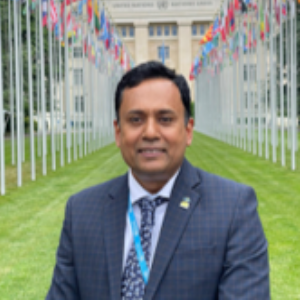
Senior Advisor - Primary Health Care; Lead Health Systems Resilience and EPHFs, World Health Organization

Director- Research, Knowledge Management and Capacity Development, Coalition for Disaster Resilient Infrastructure

Professor & Chairman Department of Biochemistry, Indian Institute of Science

Regional Director - Southeast Asia, ACCESS Health International